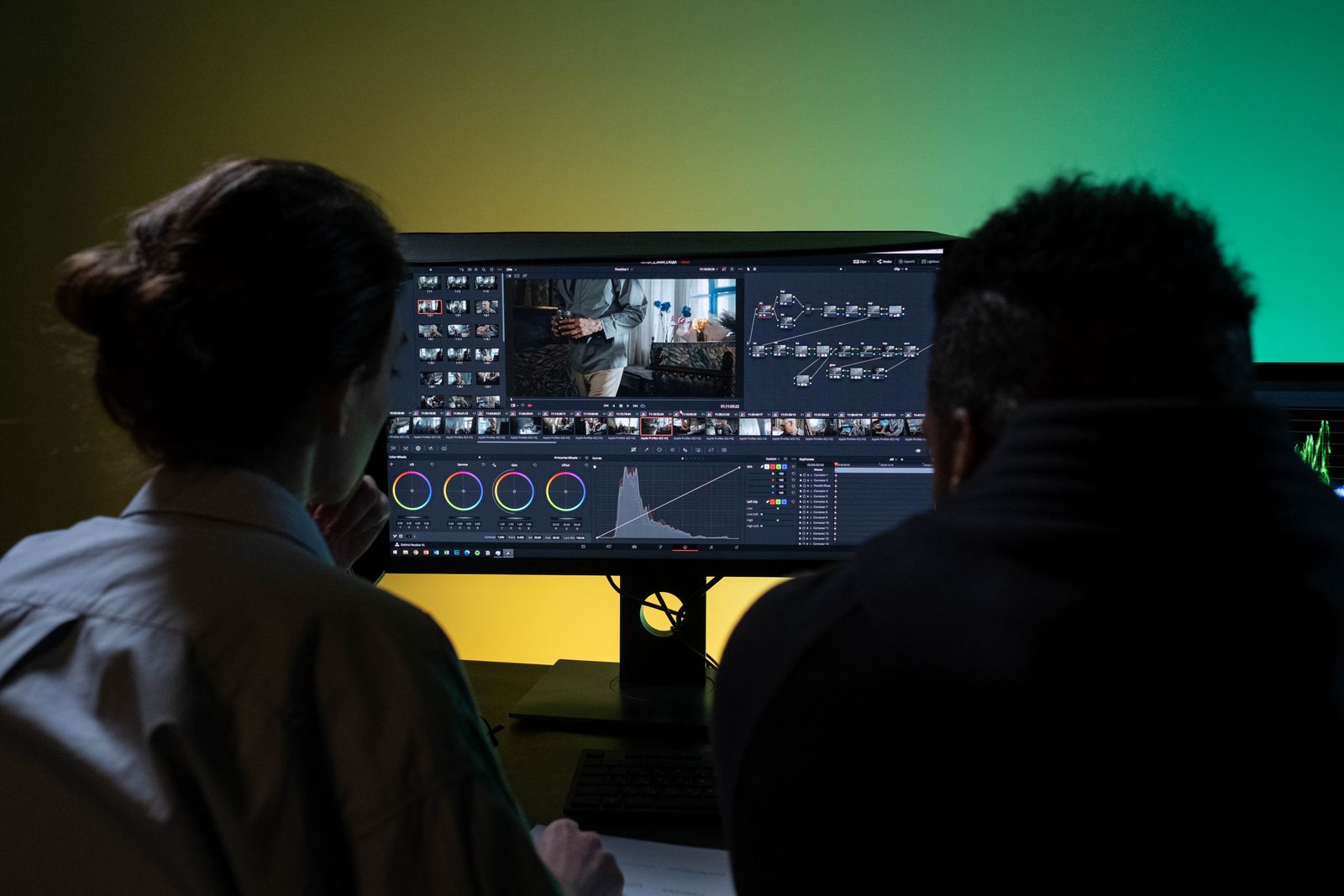
A new brand film changes how a company looks and sounds. The website is where that new look has to live for the next two years. If the site does not move with the film, the film reads as an outlier. So we ship both together when the film is establishing a new direction, and we leave the site alone when its not.
"Why does a motion studio also build websites?" is one of the most-asked questions on our first call. The short answer is that we kept watching brand films land on outdated sites and stop working a week later. The long answer is below.
The half-project problem
A brand film is, in part, an act of brand redefinition. It establishes a visual language, a tone, sometimes a new typography or motion grammar. That language has to live somewhere the audience can find when they look for the company.
What we kept seeing: a beautifully made film going live on a homepage that still looked like the previous year of the company. The film read as a stylish outlier, not as the new direction. Worse, the homepage hero made promises the rest of the site could not keep. A viewer who watched the film and then scrolled hit a different company.
The film and the site need to feel like one project to the audience. They do not need to be one project internally. They do need to look like one to the viewer.
What we mean by "build the website alongside"
It usually means one of three things, depending on the project.
1. A homepage refresh
For most launch films we ship, the homepage hero is rebuilt to host the film and the surrounding content is tightened to match the new tone. The rest of the site stays. Cost is modest; benefit is significant.
2. The top of the site
For a film that establishes a new visual direction, we usually rebuild the top level: homepage, key product pages, sometimes about and pricing. This is roughly 30 to 60 percent of the site that the audience actually sees, and it carries the new language properly.
3. The full site
For a full rebrand-led film, the whole site is rebuilt. Same studio, same visual system, same motion language. The film becomes the anchor of a brand system that runs across every page.
The right scope is the smallest one that prevents the audience from hitting a different company between the film and the rest of the site.
The film and the site need to feel like one project to the audience.
When you do not need a new site
Plenty of times. If your existing site already carries the visual direction the film is establishing, you do not need to touch it. The film extends what is there; the site already speaks the language.
Three signs you can leave the site alone:
- The typography in the film is the same typography on the site.
- The colour palette in the film matches the existing site within a few percent.
- The visual register (the level of formality, the density, the motion behaviour) is consistent across both.
If two of those are off, expect to do at least the homepage. If all three are off, plan to do more.
The cost difference
A homepage refresh sitting along side a brand film typically adds £8k–£20k to the project. A top-of-site rebuild sits in the £20k–£60k range. A full site led by the brand system is £40k–£120k+, depending on complexity, integrations, and whether the site is static or CMS-driven.
These ranges are not on top of a film budget by default. They replace the cost of doing the same web work later, separately, with a different vendor, after the film has launched and the gap has become visible. In our experience the combined cost is lower than the sequential one, partly because the work happens in parallel and partly because the visual decisions are made once.
The vendor question
Studios that pitch "film and website" as a package vary widely. Some do both as core practice. Some have film at their centre and farm out web to a template-led freelancer. The output differs.
If you are evaluating a studio for both, ask to see their web work directly, not just stills from finished projects. A motion studio that genuinely builds sites has a portfolio of live sites it can show. A motion studio that occasionally helps with web has stills.
The other test: ask how the typography moves between the film and the site. If the answer is detailed (font weights, leading, motion grammar), they do both. If its vague, the website is going to be a different vendor in their head, even if it appears in the same proposal.
What this looks like in practice for us
Most projects we ship now include some level of web work alongside the film. The motion studio half and the web half share a creative director, a brand system, and a single set of visual decisions. The film does not get handed off to a web team after the fact; the two are built in parallel, with the same colour system, type system, and motion language.
The result is that the day the film launches, the website looks like it was made by the people who made the film. Because it was.
Frequently asked questions
Why do you build websites and brand films together?
A film changes how a company looks. The website has to carry that change forward. Building them together is cheaper than fixing the gap later.
Do I always need a new website when I commission a brand film?
No. If your site already carries the visual direction the film is establishing, leave it. Update only what is needed to prevent the audience hitting a different company.
What pages need to change when a new brand film launches?
Homepage hero at minimum. For a direction-setting film, also the top-level product, about, and pricing pages. For a rebrand-led film, the whole site.
Can one studio do both well?
Some can; some pitch it but do not. Ask to see their web work, not just film stills, before signing anything.